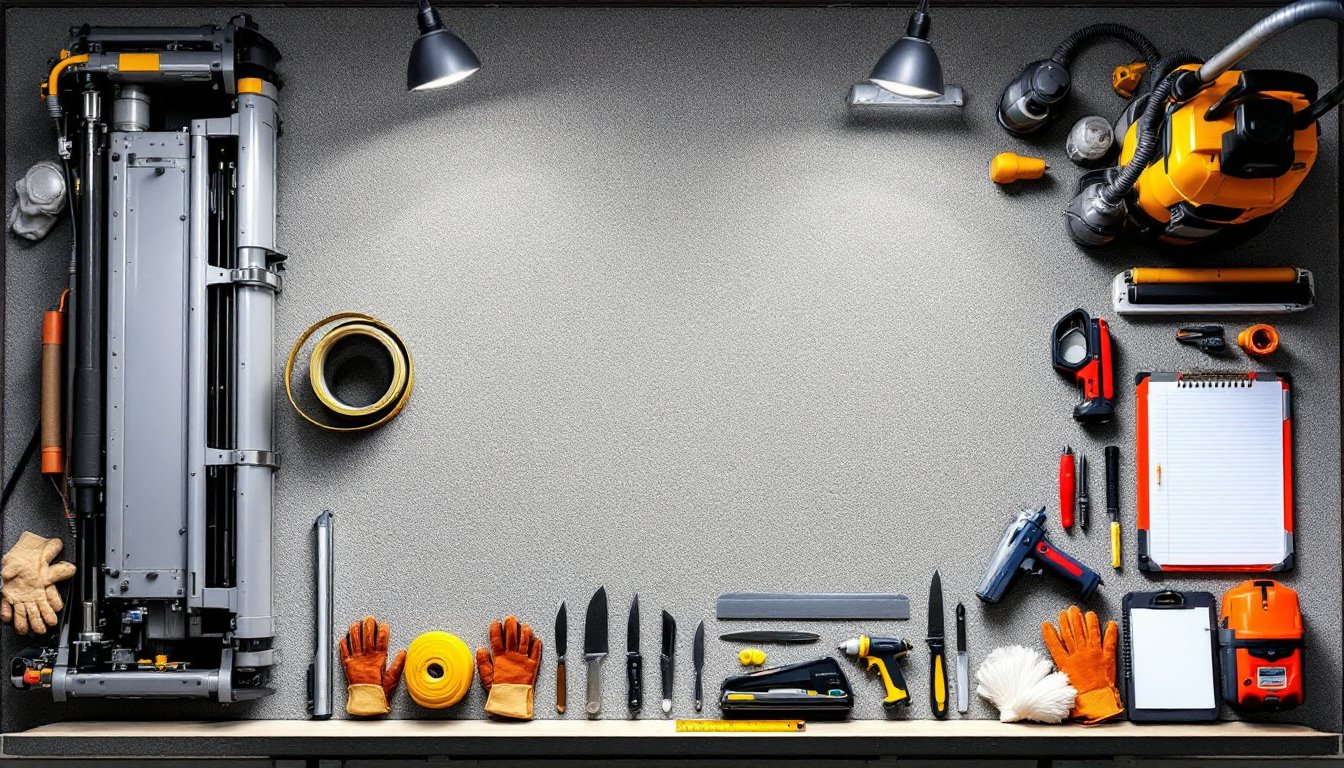
Carpet installation isn’t a job for just any toolbox. Unlike many DIY projects, proper carpet installation requires specialized tools that most homeowners don’t have lying around. Whether someone is replacing a single room or tackling an entire floor, having the right equipment makes the difference between a professional-looking result and one that buckles, wrinkles, or fails prematurely. This guide walks through the essential carpet installation tools, from measuring and cutting to power-driven stretching and finishing, so installers know exactly what to grab before starting the job.
Table of Contents
ToggleKey Takeaways
- Proper carpet installation tools are essential for professional results—power stretchers, knee kickers, and seaming irons prevent wrinkles, buckles, and premature wear that DIY mistakes often cause.
- Measuring and marking tools, including a rigid 25–30 foot tape measure, chalk line, and level, form the foundation for accurate cuts, seams, and proper subfloor preparation.
- A power stretcher costs $40–$100 per day to rent and is non-negotiable for wall-to-wall installations, making it one of the most critical carpet installation tools for lasting results.
- Safety gear—including respirators, gloves, safety glasses, and hearing protection—is mandatory when working with sharp blades, heated seaming irons, and pneumatic tools that generate noise and fumes.
- A typical DIY carpet installation rental package (stretcher, knee kicker, tacking tool, and seaming iron) costs $150–$400 total, making professional consultation worthwhile to avoid costly mistakes.
- Sharp, replaceable utility blades and specialized cutting tools like carpet cutters and edge trimmers are non-negotiable for clean edges, while improper technique with dull blades tears fibers and creates rough, unprofessional results.
Measuring and Marking Tools
Accurate measurements are the foundation of any successful carpet installation. A 25-foot or 30-foot tape measure with a wide, stiff blade (at least ¾ inch wide) is essential: it won’t collapse when measuring across open rooms and won’t retract on its own mid-measurement. Soft tape measures meant for sewing don’t give the rigidity needed here.
A chalk line helps snap straight reference lines across subfloors before seaming or layout. Professional installers often use a reel-style chalk line with a trigger mechanism, which snaps cleaner than hand-held versions.
For marking cut lines and seams, a straightedge (a 4- to 6-foot aluminum or steel ruler) works better than a pencil alone. Pair this with a permanent marker that won’t smudge on dust or wet surfaces. Some installers use painter’s tape to mark seam locations on the subfloor, making reference lines visible through the carpet backing.
Don’t underestimate the value of a 4-level for checking floor levelness. Carpet hides minor dips, but significant slopes (more than ½ inch over 10 feet) can cause stretching issues and premature wear. A level also ensures tack strips are installed correctly around room perimeters.
Cutting and Trimming Equipment
Cutting carpet cleanly and safely requires the right blades and handles. A utility knife with sharp, replaceable blades is the workhorse tool: dull blades tear fibers and make rough edges, so changing blades frequently is non-negotiable. For trimming along walls and around door frames, many installers use a carpet cutter (also called a carpet hook or rug cutter), a purpose-built tool with a curved blade that cuts only the backing without damaging face fibers.
For seaming, a seaming iron (a heated tool that activates seaming tape) is critical, but that’s covered in the power tools section. For straight cuts, some installers opt for a straightedge guide clamped to the carpet, which prevents the blade from wandering and reduces risk of cutting into adjacent carpet.
A knee kicker (discussed later as a power tool) sometimes doubles as a cutting guide when positioned along a layout line. A framing square helps mark 90-degree angles in corners. When seaming, a seaming glue gun (a handheld applicator) applies hot-melt adhesive to seaming tape. Keep replacement cartridges on hand, they cool and harden quickly if not kept warm.
Wear cut-resistant gloves when handling cut edges, which can be surprisingly sharp. Keep a first aid kit nearby: small nicks are common and should be cleaned immediately.
Power Tools for Efficient Installation
Power Stretchers and Knee Kickers
The power stretcher is the crown jewel of carpet installation tools. This machine grips carpet on one end, applies hydraulic or pneumatic force, and stretches it across the room toward the opposite wall. Proper stretching (to about 1–2% of the carpet’s length) prevents wrinkles, buckles, and premature wear. A power stretcher isn’t optional for wall-to-wall installations: it’s the difference between a DIY mistake and a lasting installation.
Renting a power stretcher costs $40–$100 per day from equipment rental shops. Buying one ($3,000–$8,000+) makes sense only if someone installs carpet regularly. A knee kicker is a smaller, handheld tool used to shift carpet slightly toward tack strips and to finish edges. It’s powered by the installer’s knee pushing a padded head into the carpet back, creating a forward jolt. A knee kicker costs $100–$300 and is practically mandatory for DIY installations because it works where a power stretcher can’t reach (corners, seams, around furniture pads).
Seaming and Tacking Tools
When joining two carpet pieces, a seaming iron bonds hot-melt adhesive tape to the carpet backing. The iron heats to 350–400°F, so never touch the heated plate. Use proper ventilation because the adhesive releases fumes. A seaming tape roller (a hand tool with a weighted wheel) presses the seamed edge into the adhesive while it cools, ensuring a strong bond.
For securing carpet to tack strips (thin, nail-studded wooden strips pinned around the room’s perimeter), a power tacking tool (pneumatic stapler) shoots 3/8-inch staples quickly and consistently. Manual stapling is possible but exhausting over an entire room. Compressed air (from a shop compressor with 3–6 CFM capacity) powers both the tacking tool and sometimes the power stretcher. Budget for a compressor rental if purchasing one isn’t feasible.
A seaming vacuum removes loose fibers and dust from seams before bonding, creating a cleaner, more durable joint. It’s optional but worth the $20–$50 rental cost for seams longer than 15 feet.
Safety Gear and Finishing Tools
Safety isn’t an afterthought in carpet work. Wear safety glasses or a full face shield when cutting, especially when handling seaming tools or hot equipment. Heavy-duty work gloves (leather or cut-resistant synthetic) protect hands from sharp edges and hot surfaces. A respirator or dust mask (N95 at minimum, P100 for seaming fumes) prevents inhalation of carpet fibers, adhesive fumes, and subfloor dust.
Carpet installation generates noise, power stretchers, tacking tools, and seaming irons are loud. Hearing protection (earplugs or earmuffs rated for 85+ dB) is essential. Knee pads ($20–$50) are practical if someone spends hours on the floor using a knee kicker or inspecting seams.
For finishing, a edge trimmer (a motorized tool with a rotating blade) cuts excess carpet along walls and doors precisely and quickly. Manual edge trimmers also exist but are slower. A power drill with a mixing paddle speeds prep work if mixing seaming adhesive or primer.
A shop vacuum with a powered brush attachment helps remove debris from tack strips and subfloors before installation. A floor squeegee (a hand tool with a rubber blade) presses carpet into corners and removes air pockets. A seaming brush (stiff bristles) works adhesive into seams for final bonding.
Keep a tape measure, pencil, and notebook for measurements and job notes. A headlamp helps see into dark seams and under furniture when checking for proper installation.
Conclusion
Proper carpet installation demands more than enthusiasm, it requires specialized tools that most homeowners rent rather than buy. Measuring and marking tools form the foundation, while cutting equipment demands sharp blades and safety focus. Power stretchers and knee kickers are non-negotiable for wrinkle-free results, and safety gear protects throughout the process. Many installers start with a rental package (stretcher, knee kicker, power tacking tool, seaming iron) plus basic hand tools, which costs $150–$400 depending on the room size and rental duration. For DIYers uncertain about technique or equipment use, consulting a professional, or at least watching trained installers work, prevents costly mistakes that compromise durability and appearance. Carpet installation is achievable for determined DIYers, but respecting the tools and taking time to learn their proper use separates competent results from poor ones.